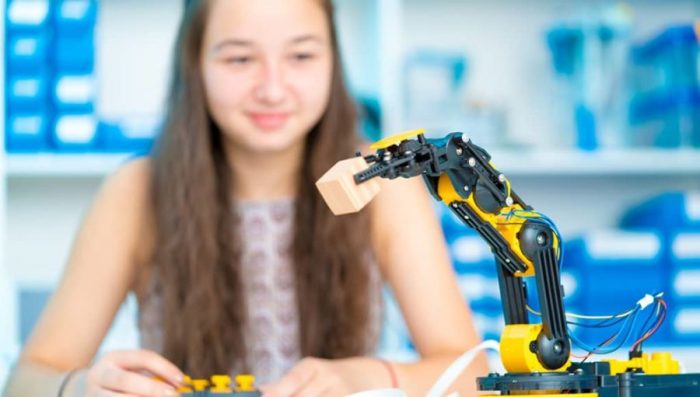
Robotics in classrooms is revolutionizing the learning experience, sparking curiosity and creativity among students like never before. Imagine a classroom where students are not only passive listeners but active participants, building robots and solving real-world problems through hands-on learning.
This innovative approach not only boosts engagement but also aligns with STEM education, allowing students to grasp complex concepts in science, technology, engineering, and mathematics. Through successful programs in various schools, the integration of robotics is showing promising results in improving student understanding and retention.
The Role of Robotics in Enhancing Classroom Learning
The integration of robotics in educational settings has gained momentum, transforming the landscape of learning. By incorporating robotics into the curriculum, educators can significantly enhance student engagement, providing an interactive platform for exploring complex concepts in a hands-on manner. This not only attracts students’ interest but also fosters a deeper understanding of various subjects.Robotics can dramatically improve student engagement by making learning more interactive and enjoyable.
Through problem-solving with robots, learners become active participants in their education, rather than passive recipients of information. This shift encourages collaboration, critical thinking, and creativity, as students work together to design and program their robots. The sense of accomplishment that comes from seeing their creations in action boosts motivation and encourages perseverance.
Successful Robotics Programs in Schools
Several schools have successfully implemented robotics programs that serve as models for others. These initiatives demonstrate the effectiveness of robotics in fostering a love for learning and enhancing academic performance. One notable example is the FIRST Robotics Competition, which involves students from various schools working in teams to build robots that compete in challenges. Participants not only learn engineering and programming skills but also enhance their teamwork and leadership abilities.
Another example is the LEGO Education program, which offers interactive robotics kits that are used in classrooms worldwide. This program allows students to construct and program their robots, leading to increased engagement in STEM subjects.
Impact of Hands-On Robotics Projects on STEM Understanding
Hands-on robotics projects play a critical role in helping students grasp STEM concepts. Engaging in these projects allows students to apply theoretical knowledge in practical scenarios, reinforcing their understanding of complex ideas. Through building and programming robots, students encounter real-world applications of science, technology, engineering, and mathematics. They learn about mechanics, coding languages, and electronics through trial and error, which deepens their comprehension and retention of these subjects.
For instance, when students program a robot to navigate through a maze, they apply mathematical concepts such as geometry and algorithms. This experiential learning approach not only solidifies their understanding but also showcases the relevance of STEM skills in everyday life.
“Hands-on learning through robotics transforms theoretical concepts into tangible experiences, making STEM subjects more accessible and exciting.”
Overall, robotics programs in classrooms not only elevate student engagement but also foster a deeper understanding of STEM disciplines, preparing students for future careers in these fields.
Interdisciplinary Connections between Robotics and Academic Subjects
Robotics is not only a fascinating field on its own but also serves as a powerful tool for enhancing various academic subjects. By integrating robotics into the classroom, educators can provide students with a unique opportunity to explore complex concepts across disciplines. This connection promotes a more engaging and comprehensive learning experience, enabling students to see the relevance of their studies in real-world applications.The integration of robotics into social and empirical sciences education enables students to explore human behavior, ethical implications, and the societal impacts of technology.
For example, students can engage in projects that investigate how robotic systems can assist in disaster response or social care, thereby applying theoretical knowledge to practical scenarios. By working on such interdisciplinary projects, students develop critical thinking and problem-solving skills necessary for addressing the challenges of contemporary society.
Integration of Robotics in Natural and Physical Science Curriculum
The relationship between robotics and the natural and physical sciences is profound, as robotics encompasses principles from physics, engineering, and biology. Robotics projects can serve as practical applications for scientific theories, allowing students to witness these concepts in action. When students design, build, and program robots, they engage with the following natural and physical science principles:
- Physics Concepts: Students can explore principles such as force, motion, and energy transfer while building robots that perform specific tasks. For instance, when creating a robot that navigates a maze, students apply their understanding of velocity and momentum.
- Engineering Design Process: Robotics projects involve the iterative design process, allowing students to plan, prototype, test, and refine their creations. This hands-on approach fosters an appreciation of engineering principles and problem-solving methodologies.
- Biological Systems: Through projects like robotic prosthetics or medical robots, students learn how robotics can simulate and support biological functions, thereby linking biology with technology.
Incorporation of Computer Science Education through Robotics Projects
Robotics serves as an effective medium for teaching computer science concepts, allowing students to develop critical coding and programming skills. Through hands-on robotics projects, students can explore various aspects of computer science, including algorithms, data structures, and computational thinking.The following methods can be employed to integrate computer science education into robotics:
- Programming Languages: Students can learn to program robots using languages such as Python or Scratch, helping them grasp fundamental programming concepts while actively engaging with technology.
- Algorithm Development: Designing a robot to complete specific tasks encourages students to create algorithms, which aids in understanding logical thinking and problem-solving techniques.
- Collaborative Coding: Group projects can facilitate collaborative coding environments, teaching students the importance of teamwork and communication in software development.
Robotics not only enhances the understanding of various academic subjects but also promotes interdisciplinary learning. By engaging with robotics, students are equipped to tackle complex challenges, embodying the essence of a well-rounded education.
Overcoming Challenges in Implementing Robotics in Education
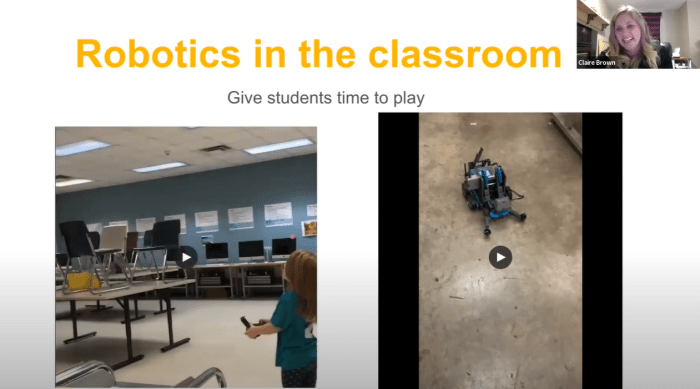
Implementing robotics in educational settings can bring about various challenges that need addressing to ensure a smooth integration. These challenges might range from misconceptions in science to the need for comprehensive training for educators. Understanding and tackling these issues is essential for fostering a successful robotics curriculum that benefits students across different disciplines.
Addressing Anomalies and Misconceptions in Robotics
When introducing robotics in the classroom, students might encounter misconceptions related to scientific principles that underpin robotic systems. These anomalies can lead to confusion, impacting their understanding of essential concepts. Here are some strategies to address these challenges:
- Hands-on Learning: Engaging students in hands-on projects allows them to explore and understand robotics firsthand. Building and programming robots can clarify the underlying scientific principles.
- Use of Visual Aids: Diagrams and animations can illustrate complex processes like programming logic, sensor functions, and motor operations, helping to dispel common misconceptions.
- Encouraging Inquiry: Foster an environment where students can ask questions and explore answers through experimentation, helping them uncover truths about robotics and the science behind it.
Training Methods for Educators
Effective teaching of robotics requires that educators are well-trained and knowledgeable. This necessitates implementing comprehensive training methods that prepare teachers for the challenges of robotics education. Key training methods include:
- Professional Development Workshops: Regular workshops focused on robotics, coding, and technology integration can keep educators updated on current trends and teaching methodologies.
- Peer Collaboration: Encouraging teachers to collaborate and share resources enhances their confidence and competence in teaching robotics.
- Online Courses and Certifications: Many online platforms offer robotics courses specifically designed for educators, allowing them to learn at their own pace while gaining valuable skills.
Resources and Tools for Robotics Education
Successful robotics education initiatives depend on having the right resources and tools. Educators should be equipped with a variety of materials that enhance learning and engagement in robotics. Consider the following essential resources:
- Robotics Kits: Kits such as LEGO Mindstorms, VEX Robotics, and Arduino provide students with hands-on experience in building and programming robots.
- Software Platforms: Programming environments like Scratch, Python, or Arduino IDE are critical for teaching coding skills in a robotics context.
- Online Communities: Engaging with online forums and communities, such as robotics competitions and educational websites, can provide support, ideas, and collaboration opportunities.
Epilogue
In conclusion, the infusion of robotics into the classroom fosters an environment ripe for exploration and discovery. By overcoming implementation challenges and embracing interdisciplinary connections, educators can equip students with the skills they need for the future, making learning a dynamic and enjoyable journey.
Questions Often Asked
What age groups benefit from robotics in classrooms?
Students of all ages can benefit, from elementary to high school, as robotics can be tailored to different skill levels.
How does robotics enhance critical thinking skills?
Robotics encourages problem-solving and logical reasoning, essential components of critical thinking.
Are there any costs associated with implementing robotics in schools?
Yes, there may be initial costs for equipment and training, but many grants and funding opportunities are available.
Can robotics be integrated into non-STEM subjects?
Absolutely! Robotics can enhance learning in subjects like history and art by incorporating projects that span multiple disciplines.
What resources are available for teachers new to robotics?
There are numerous online resources, workshops, and community support groups dedicated to helping teachers get started with robotics.


