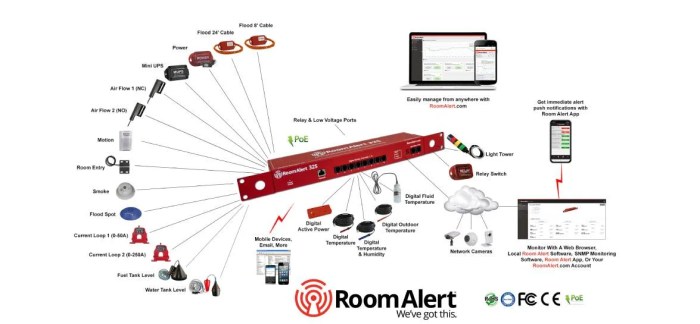
Environmental monitoring technologies play a crucial role in our understanding of the world around us. These innovative tools help us track changes in our environment, offering insights that are essential for sustainable living and informed decision-making.
From sensors that detect air quality to satellite imagery that monitors deforestation, the landscape of environmental monitoring is both diverse and rapidly evolving. As technology advances, so does our capacity to gather and analyze data, enabling us to address environmental challenges more effectively.
Environmental Monitoring Technologies Overview
Environmental monitoring technologies play a pivotal role in assessing and managing the quality of our environment. These technologies enable scientists, policymakers, and the general public to understand environmental changes and make informed decisions to ensure sustainable development. With the increasing urgency of environmental issues such as climate change, pollution, and biodiversity loss, the significance of these technologies has never been more pronounced.The fundamental concept behind environmental monitoring is the systematic collection and analysis of data related to air, water, soil, and biological resources.
This data is crucial for identifying trends, assessing the impact of human activities, and implementing effective management strategies. Various technologies are employed in this field, each designed to capture specific environmental parameters. The advancements in technology have significantly enhanced the accuracy, efficiency, and scope of monitoring practices.
Types of Environmental Monitoring Technologies
A diverse array of technologies is currently in use for environmental monitoring. These can be broadly categorized into several types, each serving unique purposes in assessing environmental health.
- Remote Sensing Technologies: This technology utilizes satellite imagery and aerial photography to monitor large-scale environmental changes. For instance, remote sensing can track deforestation, urban expansion, and changes in land use, providing valuable insights into ecological dynamics.
- In-situ Monitoring Devices: These devices are deployed directly in the environment to measure specific parameters. Examples include water quality sensors that measure pH, turbidity, and contamination levels in real time, allowing for immediate response to pollution events.
- Biological Indicators: Certain species can indicate the health of an ecosystem. For example, the presence or absence of specific fish species can reflect water quality and ecosystem integrity. This biological monitoring approach is crucial for biodiversity assessments.
- Air Quality Monitoring Stations: These stations measure pollutants in the atmosphere, such as particulate matter, nitrogen dioxide, and sulfur dioxide. Continuous monitoring helps in assessing the effectiveness of regulations and public health advisories.
- Citizen Science Applications: These involve the public in data collection using mobile apps and online platforms. Projects like monitoring local water bodies or bird populations leverage community engagement and expand data collection efforts.
Technological Advancements in Environmental Monitoring
Recent advancements in technology have revolutionized environmental monitoring practices, making them more efficient and accurate. Innovations such as the Internet of Things (IoT), big data analytics, and artificial intelligence (AI) have significantly enhanced data collection, processing, and analysis capabilities.The integration of IoT devices allows for real-time data transmission from remote locations, which is crucial for timely decision-making. For example, a network of sensors can provide continuous updates on air quality parameters in urban areas, enabling authorities to respond promptly to pollution spikes.Big data analytics enable the processing and analysis of vast amounts of environmental data, identifying patterns and correlations that were previously unattainable.
This capability supports predictive modeling, which can forecast future environmental conditions based on current trends.AI technologies are being leveraged to improve data interpretation and automate monitoring processes. For instance, machine learning algorithms can analyze satellite images to detect changes in land cover over time, providing vital information for environmental management.
The synergy of various technological advancements has transformed environmental monitoring from a reactive approach to a proactive strategy, enabling better stewardship of natural resources.
Applications in Social and Empirical Sciences
Environmental monitoring technologies play a crucial role in social and empirical sciences by providing data that deepens our understanding of human-environment interactions. These technologies help researchers track changes in environmental conditions and their impacts on communities, enabling the examination of complex societal challenges.The integration of environmental monitoring data with social science methodologies has led to innovative research approaches. By utilizing geospatial data, remote sensing, and in-situ sensors, researchers are able to analyze relationships between environmental conditions and social factors such as health, migration, and economic activities.
These methodologies facilitate empirical studies that rely on quantitative data, which can help validate theories and inform policy decisions.
Case Studies of Environmental Monitoring in Social Research
Several case studies exemplify the effectiveness of environmental monitoring technologies in addressing pressing social issues.
1. Urban Air Quality and Public Health
A study conducted in Los Angeles employed a network of air quality sensors to monitor pollutant levels across different neighborhoods. By correlating this data with health records, researchers uncovered significant links between poor air quality and increased rates of asthma among children. This research highlighted the need for targeted public health interventions and informed local policy on pollution control.
2. Water Quality in Rural Communities
In a rural region of India, researchers utilized satellite imagery alongside local water quality monitoring efforts to assess the impacts of agricultural runoff on drinking water sources. The findings revealed that certain farming practices significantly degraded water quality, leading to health issues among residents. This case illustrated the importance of sustainable agricultural practices and informed community training programs on eco-friendly farming.
3. Climate Change and Migration Patterns
A comprehensive study in the Caribbean utilized climate data from monitoring stations to analyze how rising sea levels and increased storm intensity have driven migration from coastal areas. By combining this data with demographic information, researchers were able to identify vulnerable populations and propose supporting policies to aid displaced communities.These examples not only demonstrate the practical applications of environmental monitoring technologies in social sciences but also emphasize the capacity of such technologies to inform effective and equitable responses to environmental and social challenges.
Integration with Natural and Physical Sciences
Environmental monitoring technologies play an essential role in advancing research across various fields of natural and physical sciences. By systematically collecting data on environmental variables, these technologies provide invaluable insights that shape our understanding of ecosystems, climate dynamics, and the interdependencies within natural systems. This integration enhances the ability of scientists to engage in predictive modeling, hypothesis testing, and data-driven decision-making.The data gathered from environmental monitoring technologies contributes significantly to the scientific understanding of ecosystems by informing researchers about the intricate relationships among biotic and abiotic factors.
This understanding is crucial for evaluating ecosystem health, biodiversity, and responses to anthropogenic influences such as pollution or climate change. By utilizing real-time data, scientists can observe changes in ecosystems as they occur, allowing for swift assessments and interventions.
Scientific Principles Underpinning Environmental Monitoring
Several key scientific principles are foundational to the development and application of environmental monitoring technologies. These principles ensure that the data collected is reliable, valid, and useful for scientific inquiry.
- Systems Theory: This principle focuses on understanding complex interactions within ecosystems, emphasizing that ecological systems cannot be fully understood by examining individual components in isolation.
- Data Collection and Analysis: Rigorous methodologies for data collection, including satellite remote sensing, automated sensors, and geographic information systems (GIS), are essential. These methods facilitate the accurate measurement of environmental parameters such as temperature, humidity, and pollutant concentrations.
- Statistical Modeling: Advanced statistical techniques are employed to analyze data trends and patterns, which are critical for making predictions about future environmental conditions based on historical data.
- Ecological Theory: Concepts like food webs, trophic levels, and the ecological niche provide context for understanding species interactions and energy flow within ecosystems.
- Environmental Chemistry: This principle is vital for assessing the chemical composition of natural waters, soils, and air, helping scientists determine the impacts of various pollutants and nutrients on ecosystem health.
Understanding these scientific principles enhances the effectiveness of environmental monitoring technologies in producing actionable insights that can lead to better environmental management and conservation strategies. Integration with natural and physical sciences ensures that the information gathered can effectively address real-world challenges while fostering a deeper appreciation of the complexities of our environment.
Relevance to Computer Science Education
Integrating environmental monitoring technologies into computer science education is vital for preparing students to address complex environmental challenges. This integration fosters a new generation of developers who are not only skilled in coding but also understand the significant impact of their work on the environment. By bridging computer science with environmental science, students can utilize their technical expertise to develop innovative solutions that promote sustainability.A structured framework for embedding environmental monitoring technologies in computer science curricula is essential.
This framework should involve interdisciplinary collaboration, blending foundational computer science knowledge with practical applications in environmental science. Key components of this framework include hands-on projects, collaboration with environmental scientists, and exposure to real-world data.
Framework Components for Integration
Creating an effective curriculum requires careful consideration of various elements that facilitate student engagement with environmental monitoring technologies. The following components are crucial:
- Interdisciplinary Courses: Courses that combine programming with environmental studies help students understand the context of their work. For instance, a course on data visualization can focus on environmental datasets, allowing students to see the real-world impact of their projects.
- Project-Based Learning: Engaging students in projects that involve collecting, analyzing, and interpreting environmental data ensures they gain practical experience. Projects could range from building weather monitoring systems to developing software for tracking wildlife populations.
- Collaboration with Environmental Scientists: Partnering with environmental professionals enables students to access real datasets and receive guidance on how to approach complex environmental problems. This collaboration can also lead to internships or research opportunities in the field.
The skills necessary for students to engage effectively in projects involving environmental data analysis are multifaceted. Understanding both the technical and analytical aspects of data is crucial for success in this interdisciplinary domain.
Essential Skills for Environmental Data Analysis
For students eager to work on environmental data projects, several core skills are paramount. These skills not only enhance their employability but also empower them to contribute meaningfully to environmental solutions.
- Data Analysis: Proficiency in analyzing large datasets using statistical tools and libraries, such as Pandas and NumPy in Python, enables students to derive insights from environmental data.
- Programming Proficiency: Familiarity with programming languages like Python, R, and JavaScript is essential for developing applications that process and visualize environmental data.
- GIS Knowledge: Understanding Geographic Information Systems (GIS) is critical for mapping and analyzing spatial data related to environmental issues, such as deforestation or pollution.
- Machine Learning: Skills in machine learning can help students develop predictive models for environmental phenomena, providing deeper insights into trends and patterns in environmental data.
Various programming tools and languages play a significant role in the development of environmental monitoring solutions. By familiarizing students with these tools, educators can better prepare them for future challenges.
Programming Tools and Languages for Monitoring Solutions
The selection of programming tools and languages is fundamental for students working on environmental monitoring projects. These tools offer the necessary functionality to collect, process, and analyze environmental data effectively.
- Python: Renowned for its simplicity and powerful libraries (like SciPy and Matplotlib), Python is widely used for data analysis and visualization in environmental studies.
- R: This language excels in statistical analysis and is frequently utilized in environmental research for data manipulation and presentation.
- JavaScript and D3.js: These tools are instrumental for creating interactive visualizations of environmental data, making findings more accessible to a broader audience.
- ArcGIS: A prominent GIS software that allows for the visualization and analysis of spatial data, essential for environmental monitoring and research.
Incorporating these programming languages and tools into the curriculum equips students with the skills necessary to tackle real-world environmental challenges while also enhancing their computer science education.
Investigating Anomalies and Alternative Science
Environmental monitoring technologies serve a crucial role in identifying deviations in ecological data that may indicate underlying issues or phenomena. The ability to detect anomalies is essential for understanding complex environmental interactions and developing effective responses to environmental challenges. These technologies can unveil unexpected patterns, allowing scientists to delve deeper into the intricacies of our ecosystems.Utilizing various sensors and data analytics, environmental monitoring can reveal anomalies such as sudden changes in air or water quality, temperature fluctuations, or unusual biological activity.
This data can be cross-referenced with historical records to identify outliers that warrant further investigation. For instance, when monitoring air quality, a sudden spike in pollutants may correlate with an unidentified local source, prompting an on-ground investigation and potential regulatory action.
Alternative Scientific Methods for Interpreting Environmental Phenomena
Alternative scientific methods can provide complementary perspectives in interpreting anomalies detected through traditional monitoring technologies. These approaches often emphasize holistic understanding and incorporate indigenous knowledge, citizen science, and interdisciplinary frameworks. Integrating these methods can enhance the depth of environmental analyses, revealing insights that conventional science alone might overlook. For example, community-led projects that collect observational data about local wildlife behaviors can provide valuable context that enriches quantitative findings from sensors.Challenges arise when integrating unconventional science with established monitoring practices.
Factors such as differing methodologies, varying levels of scientific rigor, and the need for validation can create friction between traditional and alternative approaches.
“Bridging the gap between conventional monitoring and alternative insights can lead to a more comprehensive understanding of environmental systems.”
Some notable challenges include:
- Data Compatibility: Ensuring that data from alternative methods can be harmonized with conventional datasets is critical for comprehensive analysis.
- Standardization: Establishing consistent protocols across varied methodologies can be a significant hurdle.
- Credibility Issues: Alternative methods often face skepticism from traditional scientific communities, necessitating robust validation processes.
Addressing these challenges requires open dialogue among scientists, policymakers, and community stakeholders to foster collaborative efforts that enrich our understanding of environmental issues.
Education and Training Strategies
In the rapidly evolving field of environmental monitoring technologies, a robust education and training framework is essential for professionals seeking to enhance their skills and knowledge. Given the interdisciplinary nature of this field, tailored training programs can empower participants with the necessary competencies to effectively utilize emerging technologies in environmental monitoring. A comprehensive training program for professionals can bridge the gap between theoretical knowledge and practical application.
Such programs should encompass hands-on workshops, online resources, and collaborative projects that focus on real-world environmental challenges.
Organizing a Training Program for Professionals
Developing a training program specific to environmental monitoring technologies involves several key components that foster effective learning:
- Curriculum Development: The curriculum should cover fundamental concepts, the latest technologies, data analysis methods, and case studies showcasing successful environmental monitoring projects.
- Hands-On Workshops: These workshops enable participants to engage with tools and technologies directly, facilitating a deeper understanding of data collection methods such as remote sensing and field sampling.
- Guest Lectures: Inviting experts from academia and industry to share insights can enrich the learning experience, offering participants exposure to diverse perspectives and best practices.
- Field Experience: Organizing field trips to real monitoring sites can provide valuable practical experience, enabling professionals to see the application of theoretical concepts in action.
Creating Educational Materials for Workshops
Educational materials play a crucial role in enhancing understanding during workshops. Materials should be designed to be engaging and informative, ensuring they accurately reflect the latest advancements in environmental monitoring.
- Interactive Presentations: Utilize visual aids, infographics, and video content to illustrate complex concepts effectively.
- Guidelines and Manuals: Develop comprehensive guides that Artikel best practices for data collection and interpretation, serving as reference materials for participants.
- Case Studies: Include real-life examples that demonstrate the impact of successful environmental monitoring initiatives, allowing participants to learn from past experiences.
Importance of Interdisciplinary Collaboration
Interdisciplinary collaboration is vital for developing effective training programs in environmental monitoring. By incorporating insights from various fields, such as ecology, computer science, and data analytics, training programs can become more holistic and relevant.
- Enhanced Learning Outcomes: Collaborative efforts lead to the integration of diverse expertise, which enriches the learning experience for participants.
- Innovation and Problem-Solving: Working together across disciplines fosters innovative approaches to solving environmental issues, leveraging technology and scientific research.
- Networking Opportunities: Collaboration creates networking possibilities that can lead to partnerships, funding opportunities, and further research initiatives.
Closure
In summary, the integration of environmental monitoring technologies into various fields is vital for fostering a deeper understanding of ecological dynamics and human impacts. By harnessing these technologies, we pave the way for innovative solutions that promote sustainability and resilience in our planet’s ecosystems.
FAQ Corner
What are environmental monitoring technologies?
These are tools and methods used to observe and analyze environmental conditions and changes over time.
How do these technologies impact social sciences?
They provide data that enhances our understanding of human-environment interactions and inform policy decisions.
What skills are needed for working with environmental data?
Skills in data analysis, programming, and knowledge of environmental science are essential.
Can these technologies identify environmental anomalies?
Yes, they are effective in detecting irregularities and trends in environmental data.
What role does interdisciplinary collaboration play?
Collaboration between different fields fosters innovation and improves the effectiveness of monitoring programs.


