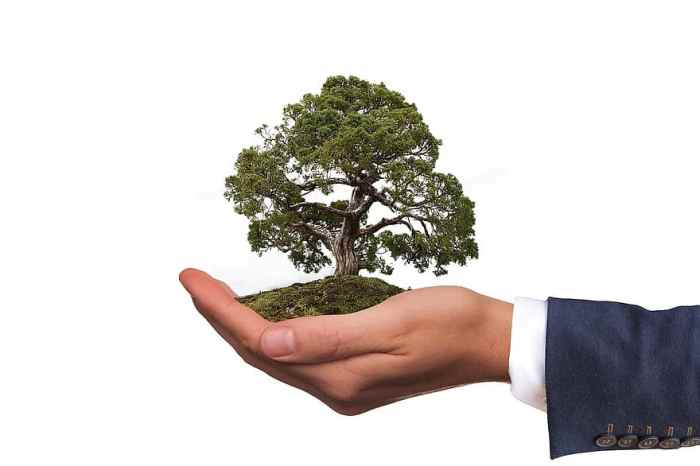
Delving into Conservation biology trends, this introduction immerses readers in a unique and compelling narrative, showcasing the critical developments that are transforming the field of conservation.
As we face pressing environmental challenges, understanding these trends is essential. Innovations in conservation practices, the integration of interdisciplinary approaches, and a focus on education and public engagement are all vital to effectively address the complex issues surrounding biodiversity and ecosystem preservation.
Current Trends in Conservation Biology

Conservation biology is rapidly evolving as scientists and practitioners face increasing challenges in protecting biodiversity and ecosystems. As the impacts of human activity on the planet become more pronounced, innovative strategies and adaptive practices are being adopted to address these issues. This discussion will highlight some of the current trends shaping conservation biology today, focusing on the implications of climate change and showcasing examples of effective conservation techniques.
Emerging Trends in Conservation Biology
Several key trends are emerging in conservation biology, driven by the need for more effective strategies in the face of environmental change. These trends include the integration of technology, increasing collaboration among stakeholders, and the incorporation of social sciences into conservation efforts.
- Use of Technology: Advances in drone technology and remote sensing have transformed data collection and monitoring processes in conservation. These tools allow for more efficient tracking of wildlife populations and habitat changes.
- Collaborative Conservation: Conservation organizations are increasingly partnering with local communities, indigenous groups, and governmental bodies to create more inclusive and effective conservation plans.
- Social Dimensions of Conservation: Understanding the social, economic, and cultural factors that influence conservation practices is becoming essential. This includes recognizing the role of local communities in biodiversity stewardship.
Impact of Climate Change on Conservation Practices
Climate change significantly affects conservation strategies and necessitates a shift in how conservationists approach their work. Rising temperatures, shifting weather patterns, and increasing frequency of extreme events are all factors that impact biodiversity and ecosystem health.
Adaptation in conservation strategies is essential to mitigate the impacts of climate change on ecosystems.
The need to adapt conservation practices includes:
- Creating Climate Resilient Habitats: Conservationists are working to restore and manage ecosystems that can withstand climate stresses, such as establishing buffer zones around critical habitats.
- Species Relocation: Some species may need to be relocated to more suitable habitats as their natural environments change beyond their capacity to adapt.
- Incorporating Climate Models: Using predictive models to understand potential climate impacts helps inform conservation planning and management decisions.
Innovative Conservation Techniques Globally
Across the globe, innovative conservation techniques are being implemented to tackle biodiversity loss and promote sustainable practices. These approaches often combine traditional knowledge with modern science for enhanced effectiveness.
- Community-Led Conservation: In places like Madagascar, local communities are actively involved in protecting their own resources by establishing community-managed marine areas.
- Wildlife Corridors: Linking fragmented habitats through wildlife corridors in regions such as North America allows for greater animal movement and genetic diversity.
- Biocultural Approaches: This technique merges ecological and cultural values, as seen in the Australian Indigenous land management practices that enhance biodiversity while respecting cultural traditions.
Interdisciplinary Approaches in Conservation Biology
Conservation biology thrives on a multidisciplinary framework, pulling insights from various fields to tackle complex environmental issues. By integrating different disciplines, conservationists can develop more effective strategies that are not only scientifically sound but also socially relevant. This approach recognizes that conservation challenges often stem from intricate social dynamics, economic factors, and ecological processes, thereby necessitating a more holistic understanding.
Relevance of Social Sciences in Understanding Conservation Issues
Social sciences play a critical role in conservation biology by providing insights into human behavior, societal values, and cultural contexts. Understanding how communities interact with their environment is essential for developing strategies that are both effective and culturally sensitive. The inclusion of social sciences aids in identifying key stakeholders, assessing the impact of policies on local populations, and fostering community involvement in conservation efforts.
- Behavioral Insights: Analyzing social norms and behaviors can guide approaches that encourage sustainable practices among local communities.
- Stakeholder Engagement: Utilizing social science methodologies helps in mapping out stakeholders’ interests and concerns, leading to more inclusive decision-making processes.
- Cultural Contexts: Recognizing cultural values can enhance conservation messaging, ensuring that initiatives resonate with local traditions and beliefs.
Methods for Integrating Physical Sciences into Conservation Strategies
The integration of physical sciences, such as ecology, geology, and hydrology, into conservation strategies provides a robust foundation for effective interventions. These disciplines offer essential data on species interactions, environmental conditions, and ecosystem processes, which are crucial for informed decision-making.
- Ecological Modeling: Advanced modeling techniques can predict how changes in one aspect of the ecosystem, like climate change, may impact multiple species and habitats.
- Remote Sensing: Utilizing satellite imagery and aerial surveys allows for real-time monitoring of habitat changes and wildlife populations, facilitating timely conservation action.
- Ecosystem Assessments: Conducting thorough assessments of ecosystems helps identify critical areas needing protection and restoration, guiding resource allocation more effectively.
Roles of Computer Science in Data Collection and Analysis for Conservation Efforts
Computer science plays an invaluable role in modern conservation biology, particularly through data collection, analysis, and visualization. The vast amounts of data generated from various sources necessitate advanced computational techniques to derive meaningful insights that inform conservation practices.
- Data Management Systems: Implementing robust databases allows for the efficient storage, retrieval, and sharing of conservation data among stakeholders.
- Machine Learning: Algorithms can analyze complex datasets to identify patterns, predict outcomes, and enhance species monitoring efforts.
- Geographic Information Systems (GIS): GIS technologies facilitate spatial analysis and mapping of biodiversity hotspots, guiding conservation priorities based on data-driven insights.
Education and Training in Conservation Biology
Education and training in conservation biology play a pivotal role in equipping individuals with the knowledge and skills necessary for effective environmental stewardship. As conservation challenges become more complex due to factors like climate change, habitat loss, and biodiversity decline, a well-structured educational framework is essential. This framework should not only encompass biological sciences but also integrate interdisciplinary approaches, emphasizing the importance of empirical science in conservation practices.
Curriculum Design for Conservation Biology Training Program
A comprehensive conservation biology training program should be designed to cover various aspects of ecology, management strategies, and policy-making. The curriculum must ensure that students engage with empirical research, fostering a robust understanding of scientific principles that guide conservation efforts. Key topics to include in the curriculum are:
- Fundamentals of Ecology: Understanding ecosystem dynamics, species interactions, and ecological principles.
- Field Methods in Conservation: Hands-on training in data collection, species monitoring techniques, and habitat assessment.
- Conservation Genetics: Insights into genetic diversity, population dynamics, and the role of genetics in conservation strategies.
- Environmental Policy and Law: Exploration of legislation, regulations, and policies that govern conservation efforts.
- Community Engagement Strategies: Training on how to involve local communities in conservation initiatives and their importance in successful projects.
The curriculum should also incorporate practical experiences, such as internships and fieldwork, to provide students with real-world applications of their knowledge. This hands-on approach reinforces the connection between theoretical knowledge and field practice.
Importance of Public Engagement and Education
Public engagement and education are crucial elements in fostering a conservation-minded society. Educating the public about biodiversity and sustainability can significantly enhance conservation efforts. Effective engagement strategies can empower communities, making them active participants in conservation initiatives. One important aspect is the use of outreach programs that disseminate information on local biodiversity, conservation challenges, and ways individuals can contribute to local and global efforts.
These outreach programs can include:
- Workshops and Seminars: Organizing community events to discuss conservation topics and gather local feedback.
- School Programs: Integrating conservation education into school curricula to inspire future generations.
- Social Media Campaigns: Utilizing digital platforms to raise awareness and encourage action among diverse audiences.
By fostering a culture of conservation through education, communities are more likely to support and participate in conservation initiatives, ultimately leading to more sustainable outcomes.
Alternative Science Approaches in Conservation Methodologies
Alternative science approaches can complement traditional conservation methodologies by providing innovative solutions to complex environmental problems. These approaches often utilize local knowledge, participatory research, and interdisciplinary collaboration. Important alternative methods include:
- Community-Based Conservation: Engaging local communities in the management of natural resources, ensuring they have a stake in the preservation of their environment.
- Indigenous Knowledge Integration: Incorporating traditional ecological knowledge from Indigenous peoples to enhance conservation strategies and biodiversity management.
- Citizen Science: Involving volunteers in data collection and monitoring efforts, which can expand research capacities and raise public awareness.
By embracing these alternative approaches, conservationists can cultivate more inclusive, adaptive management strategies that reflect the needs and values of both ecosystems and human communities.
Closing Notes
In summary, Conservation biology trends reveal a dynamic landscape where traditional practices meet cutting-edge techniques and interdisciplinary collaboration. By embracing these changes, society can enhance its efforts to protect the natural world, ensuring a sustainable future for generations to come.
FAQ
What are some current challenges in conservation biology?
Current challenges include habitat loss, climate change, and the impact of invasive species on native ecosystems.
How can technology aid conservation efforts?
Technology can enhance data collection, monitor wildlife populations, and improve resource management through advanced analytics.
Why is interdisciplinary collaboration important in conservation?
Interdisciplinary collaboration brings diverse perspectives and expertise to tackle complex environmental issues effectively.
How does public education impact conservation success?
Public education increases awareness and engagement, fostering community support for conservation initiatives and policies.
What role do social sciences play in conservation biology?
Social sciences help understand human behavior and societal impacts, which are crucial for developing effective conservation strategies.


