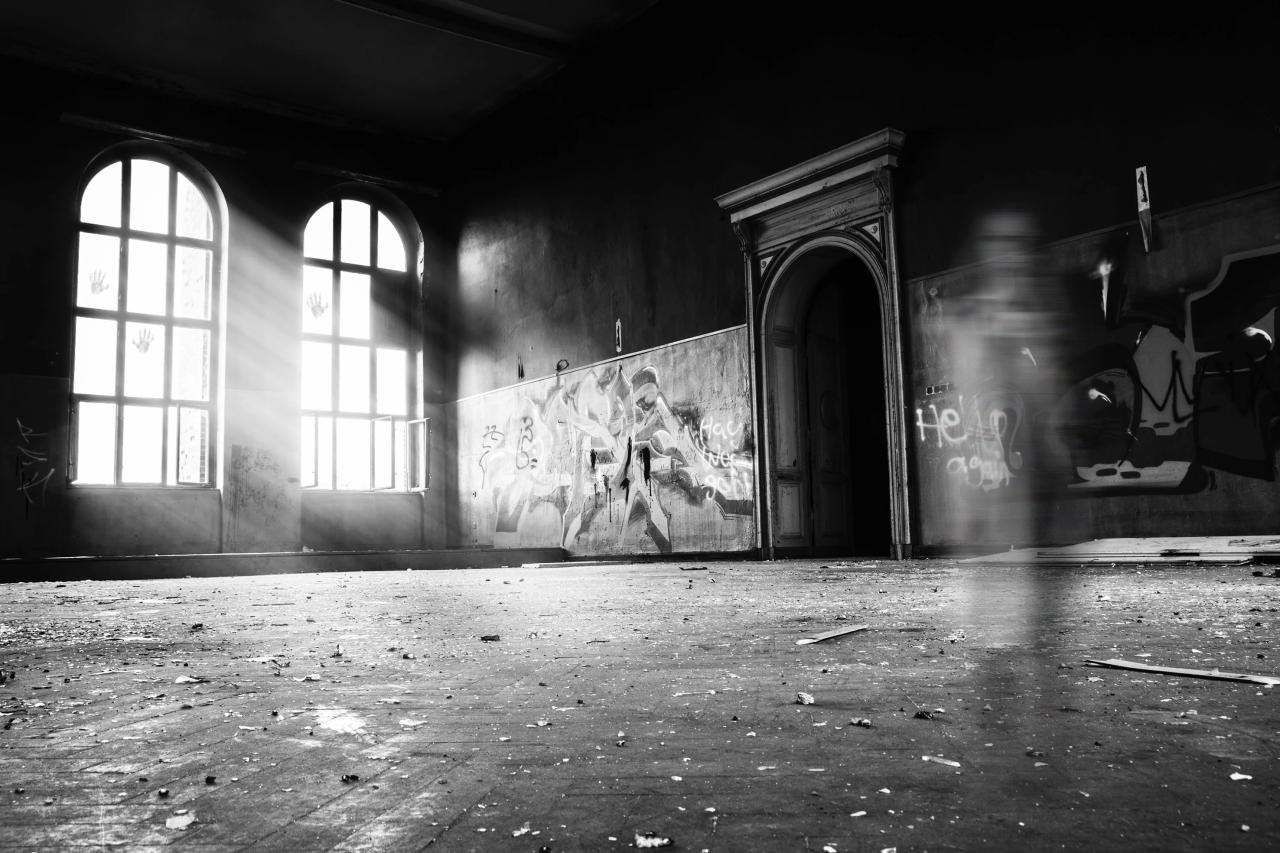
Paranormal investigation tools set the stage for this enthralling narrative, offering readers a glimpse into a story that is rich in detail and brimming with originality from the outset. These tools have evolved significantly over time, moving from rudimentary instruments to sophisticated technology, enabling investigators to delve deeper into the mysteries of the supernatural.
In this exploration, we will examine various key tools used in paranormal investigations, their functions, and the importance of having reliable equipment. Understanding these tools not only enhances the experience of investigating the unknown but also underscores the scientific methodologies that guide this intriguing field.
Overview of Paranormal Investigation Tools
The field of paranormal investigation has evolved significantly over the years, driven by advancements in technology and a growing interest in understanding the unexplained. Initially, investigators relied heavily on subjective experiences and anecdotal evidence. However, the introduction of various tools has transformed the approach, making it more systematic and credible. This overview delves into the historical evolution of these tools, highlights commonly used equipment, and emphasizes the criticality of accuracy and reliability in paranormal investigations.
Historical Evolution of Paranormal Investigation Tools
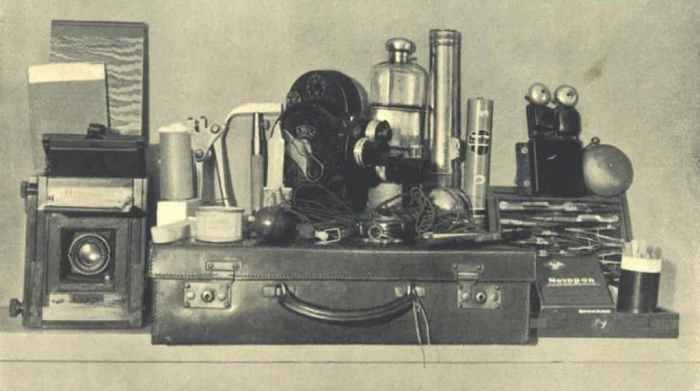
The journey of paranormal investigation tools can be traced back to the early days of spiritualism in the 19th century when mediums used simple instruments like pendulums and spirit boards to communicate with the other side. As interest in the paranormal surged, more sophisticated equipment began to emerge. The 20th century saw the introduction of audio recorders, which allowed for the capture of Electronic Voice Phenomena (EVPs).
With the digital revolution in the late 20th and early 21st centuries, tools such as infrared cameras, motion detectors, and electromagnetic field (EMF) meters became prevalent, allowing for more precise and objective data collection.
Key Tools Commonly Used in Paranormal Investigations
A variety of tools are now employed in paranormal investigations, each serving unique functions that aid in detecting and documenting potential paranormal activity. The following is a list of key equipment used:
- EMF Meter: Measures electromagnetic fields, which are often thought to indicate the presence of a spirit.
- Digital Voice Recorder: Used to capture EVPs during investigations, allowing researchers to analyze audio for any unexplained voices.
- Infrared Camera: Captures images in low light conditions, helping to document any unexplained visual phenomena.
- Motion Detector: Alerts investigators to movement in areas that may be unoccupied, suggesting possible paranormal activity.
- Temperature Gun: Measures temperature changes, which can signal a spirit’s presence in a localized area.
These tools have become essential for anyone conducting serious investigations, as they provide a tangible means of gathering data that can be analyzed later.
Importance of Accuracy and Reliability in Paranormal Investigation Equipment
Accuracy and reliability in paranormal investigation tools cannot be overstated. Equipment that delivers incorrect readings can lead to misinterpretations of data, potentially misleading investigators and the public. For instance, a faulty EMF meter may produce high readings due to electrical interference, leading investigators to mistakenly believe that a location is haunted. To ensure the integrity of findings, investigators must use reputable tools and follow standard protocols for equipment calibration and maintenance.
A commitment to scientific rigor enhances the credibility of findings and promotes a deeper understanding of paranormal phenomena.
“The belief in the supernatural is not merely a matter of faith; it relies on the tools we use in our investigations, which must be both accurate and reliable.”
Social and Empirical Sciences in Paranormal Investigations
The intersection of social sciences and empirical methodologies provides a unique lens through which to investigate paranormal phenomena. By examining human behavior, belief systems, and social contexts, researchers can gain insights into how and why people experience and interpret the paranormal. These insights not only enhance our understanding of the phenomena themselves but also highlight the broader implications of belief in the paranormal within society.The empirical methodologies utilized in paranormal research often draw from both qualitative and quantitative approaches, allowing for a comprehensive understanding of experiences and beliefs.
These methodologies help in gathering data that can be analyzed scientifically, which is crucial for distinguishing between anecdotal evidence and more substantiated claims. Furthermore, the combination of these approaches can reveal patterns in experiences that may otherwise go unnoticed.
Role of Social Sciences in Understanding Paranormal Phenomena
Social sciences contribute significantly to understanding paranormal phenomena in various ways. By studying cultural beliefs, psychological aspects, and social interactions, researchers can better comprehend the collective and individual experiences of paranormal encounters. Some key contributions include:
- Cultural Anthropology: Examines how different cultures interpret and integrate paranormal beliefs into their worldviews. For instance, many indigenous cultures incorporate spirits and ancestral connections into their daily life, influencing their perception of paranormal activity.
- Psychology: Investigates the mental processes and emotional responses associated with paranormal experiences. Research has shown that cognitive biases, such as pareidolia (seeing patterns in random stimuli), can lead individuals to interpret ambiguous events as paranormal.
- Sociology: Analyzes the social dynamics of belief in the paranormal, including how community and group influences shape individual perceptions. Social networks can amplify beliefs and encourage shared experiences, creating a sense of validation for those who claim paranormal encounters.
Empirical Methodologies in Paranormal Research
Empirical methodologies in paranormal investigations are crucial for establishing credibility and reliability in findings. These methods include both qualitative and quantitative approaches that contribute to a well-rounded view of paranormal experiences.
1. Qualitative Research
This approach involves collecting non-numerical data to understand the experiences and perspectives of individuals. Techniques such as interviews, focus groups, and ethnographic studies provide rich, detailed insights into personal accounts of paranormal events. For example, a researcher might conduct in-depth interviews with individuals who have witnessed ghostly apparitions, documenting their narratives and emotional responses.
2. Quantitative Research
This method employs statistical analysis to generate numerical data that can be measured and analyzed. Surveys and structured questionnaires are common tools used to gather data from a larger sample population. This approach can help identify trends and correlations, such as the prevalence of paranormal beliefs across different demographics.
Combining qualitative insights with quantitative data enhances the robustness of paranormal investigations, allowing researchers to draw more comprehensive conclusions.
Comparative Analysis of Qualitative and Quantitative Research
When it comes to paranormal investigations, both qualitative and quantitative research play distinct yet complementary roles. Understanding these differences is essential for conducting effective research.
- Qualitative Research provides depth and context, revealing the intricacies of individual beliefs and experiences. It is particularly useful for exploring new or under-researched topics within the realm of the paranormal where established theories may not yet exist.
- Quantitative Research offers breadth and the ability to generalize findings across larger populations. By employing statistical methods, researchers can measure the frequency of certain beliefs or experiences, enabling a more objective analysis of paranormal phenomena.
In summary, integrating social sciences with empirical methodologies enriches the field of paranormal investigation. This multifaceted approach not only ensures a deeper understanding of the phenomena under study but also validates the experiences of those who encounter the unexplained.
Anomalies and Alternative Science Perspectives
In the realm of paranormal investigations, the significance of anomalies cannot be overstated. These irregularities, or unexpected occurrences, often act as the focal points that prompt further inquiry into phenomena that defy conventional understanding. Anomalies challenge preconceived notions and stimulate discussions that bridge the gap between the known and the unknown, ultimately influencing both public perception and scientific exploration of paranormal activities.Anomalies serve as critical indicators of potential paranormal activity, motivating investigators to seek explanations that extend beyond traditional scientific paradigms.
When phenomena arise that cannot be easily categorized or explained through established scientific laws, they inspire alternative theories that may offer fresh insight. This segment explores various alternative scientific theories that have emerged in response to paranormal anomalies, illustrating how such perspectives challenge mainstream scientific views on evidence typically associated with paranormal investigations.
Examples of Alternative Scientific Theories Related to Paranormal Activities
Alternative scientific perspectives often seek to provide explanations for phenomena that mainstream science may overlook or dismiss. These theories can encompass a wide range of topics, including consciousness, energy fields, and the nature of reality itself. Here are a few notable examples:
-
Quantum Consciousness Theory:
This theory suggests that consciousness itself may play a fundamental role in shaping reality. Proponents argue that quantum mechanics allows for a non-local connection between consciousness and the physical world, potentially explaining experiences such as telepathy or clairvoyance.
-
Multiverse Theory:
According to this theory, the universe is just one of many parallel realities, which could explain why some individuals report encounters with spirits or entities. These experiences may be attributed to overlaps between our universe and alternate dimensions.
-
Electromagnetic Field Influence:
Some researchers propose that fluctuations in electromagnetic fields can influence human perception, leading to experiences commonly interpreted as paranormal. This includes reports of ghost sightings or feelings of being watched, which may be triggered by environmental factors.
The presence of these alternative scientific theories not only broadens the scope of investigation but also challenges the traditional scientific community to reevaluate its stance on paranormal evidence. As the dialogue between mainstream science and alternative perspectives continues, it opens up opportunities for interdisciplinary research that could yield new understandings of both anomalies and the nature of reality itself.
Closing Summary
In summary, the world of paranormal investigation tools is as complex and fascinating as the phenomena they aim to uncover. As technology continues to advance, these tools will undoubtedly evolve, providing deeper insights and perhaps answers to the age-old questions surrounding the paranormal. Whether one is a believer or a skeptic, the journey into the unknown remains an intriguing adventure.
Helpful Answers
What are the most common paranormal investigation tools?
The most common tools include EVP recorders, EMF meters, infrared cameras, spirit boxes, and thermal imaging devices.
How reliable are paranormal investigation tools?
The reliability of these tools can vary; while some provide useful data, others may not yield consistent results, emphasizing the need for careful evaluation.
Can anyone use paranormal investigation tools?
Yes, while professional training can enhance the experience, anyone with an interest in the paranormal can use these tools to explore and document their findings.
Are there specific techniques for using paranormal tools?
Yes, each tool has specific techniques for optimal use, such as proper placement, timing, and the environmental conditions necessary for effective results.
How do social sciences contribute to paranormal investigations?
Social sciences help researchers understand the cultural and psychological aspects of paranormal phenomena, providing a broader context for their findings.


