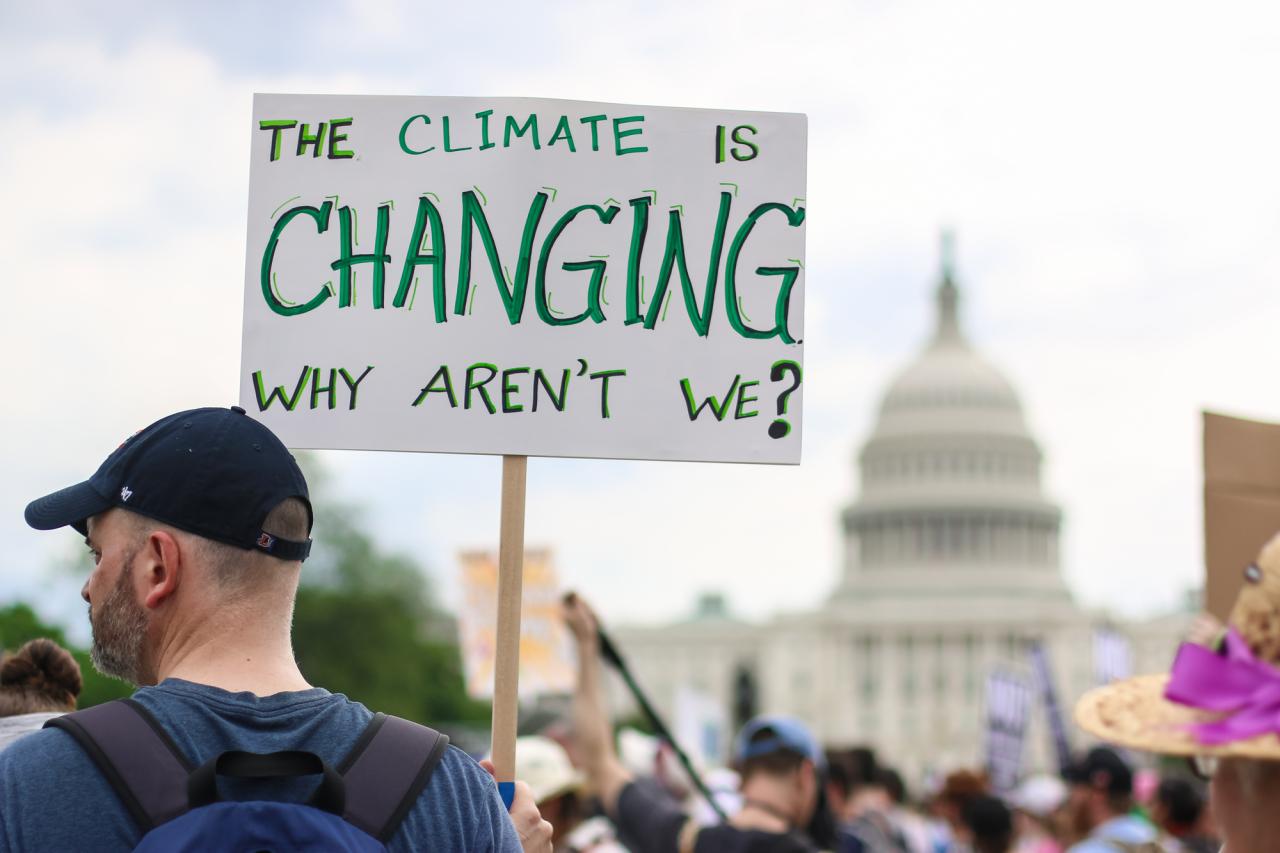
Delving into Climate change and social behavior, this introduction immerses readers in a unique and compelling narrative. The intricate relationship between climate change and social behaviors is becoming increasingly evident as communities grapple with the effects of a warming world. From shifts in lifestyle choices driven by climate awareness to the impact of environmental stressors on mental health, understanding these dynamics is essential for fostering resilience and mobilizing effective action.
In today’s interconnected society, social media plays a pivotal role in shaping public perception of climate issues, influencing how communities respond and adapt. By exploring these connections, we can better appreciate how social behavior evolves in response to climate challenges and how collective action can lead to substantial change.
Climate Change and Its Impact on Social Behavior
Climate change is not just an environmental crisis; it also influences the social fabric of communities. As people become more aware of climate-related issues, their behaviors and lifestyles are gradually shifting. This transformation is driven by a growing understanding of how climate change affects daily life and future generations, prompting community members to adopt more sustainable practices and advocate for environmental justice.The awareness surrounding climate change has profound implications for mental health and social interactions.
Increased concern about environmental degradation can lead to anxiety and feelings of helplessness. Conversely, it can also foster community solidarity and activism, as individuals come together to tackle shared challenges. Social media plays a pivotal role in this context, shaping public perceptions and mobilizing collective action.
Climate Change Awareness and Lifestyle Changes
Communities are increasingly recognizing the need for lifestyle changes in response to climate change. This shift is reflected in various actions taken by individuals and groups, as illustrated by the following key points:
- The rise of local environmental initiatives aimed at reducing carbon footprints, such as community gardens and clean-up events, showcases how awareness drives action.
- Increased participation in public transportation and cycling over car usage indicates a collective move towards sustainable commuting options.
- Adoption of renewable energy sources, like solar panels, not only reduces dependency on fossil fuels but also reflects a community’s commitment to environmental stewardship.
- Changes in dietary habits, such as a shift towards plant-based diets, are increasingly common as individuals understand the environmental impact of meat production.
Mental Health Effects of Climate Change
The mental health implications of climate change are significant and multifaceted. Communities grappling with the consequences of extreme weather events often experience heightened stress and anxiety. Key aspects include:
- Feelings of helplessness and uncertainty regarding the future can lead to psychological distress, often referred to as eco-anxiety.
- Trauma and loss from natural disasters can create long-lasting emotional scars, affecting social cohesion and trust within communities.
- Conversely, engaging in climate action can enhance community resilience and provide a sense of purpose, helping individuals cope with distress.
The Role of Social Media in Climate Change Awareness
Social media serves as a powerful tool for shaping public perceptions of climate change. Its impact is evident in various dimensions, including:
- The rapid dissemination of information through platforms like Twitter and Facebook allows for widespread awareness of climate issues, often leading to viral campaigns.
- Influencers and activists utilize these platforms to advocate for sustainable practices and encourage community involvement, significantly amplifying their message.
- Fact-checking and debunking misinformation regarding climate change are facilitated by online communities, promoting informed public discourse.
“Social media has the potential to transform climate communication, turning passive observers into active participants.”
Social and Empirical Sciences in Climate Change Research
Research into climate change encompasses a variety of social and empirical sciences, focusing on how societies perceive, respond to, and adapt to the challenges posed by climate change. Understanding these social responses is essential for developing effective climate policies and fostering community resilience. This section explores the methodologies employed in empirical studies and highlights social science frameworks that analyze community resilience in the face of climate impacts.
Methodologies in Empirical Studies
Empirical studies aimed at assessing social responses to climate change utilize diverse methodologies, integrating both qualitative and quantitative approaches. These methods allow researchers to gather a comprehensive understanding of public attitudes, behaviors, and the effectiveness of climate initiatives. Key methodologies include:
- Surveys and Questionnaires: These tools are widely used to collect data on public perceptions, knowledge, and attitudes toward climate change. For instance, the Global Climate Change Survey gathers responses from thousands of individuals worldwide, enabling researchers to track trends in climate awareness.
- Interviews and Focus Groups: These qualitative methods provide in-depth insights into individual and community experiences related to climate change. They help uncover underlying motivations and barriers people face when engaging with climate initiatives.
- Case Studies: In-depth examination of specific communities or projects offers valuable lessons about resilience and adaptation strategies. For example, the study of coastal communities in the U.S. highlights how residents are responding to rising sea levels through collective action.
Social Science Frameworks for Community Resilience
Various frameworks within the social sciences analyze how communities can enhance their resilience to climate impacts. These frameworks consider social, economic, and environmental factors, recognizing that community resilience is a multifaceted issue. Examples of these frameworks include:
- Adaptive Capacity Framework: This framework focuses on a community’s ability to adjust to climate change impacts, emphasizing the importance of local knowledge, governance, and social networks. Communities with strong adaptive capacities can better mobilize resources and collaborate effectively.
- Social-Ecological Systems Framework: This holistic approach examines the interconnections between human systems and ecological systems, acknowledging that social behavior impacts environmental health and vice versa. This framework can help identify leverage points for enhancing resilience.
- Disaster Risk Reduction Models: These models analyze how social structures and behaviors influence disaster preparedness and response. By understanding community dynamics, researchers can enhance strategies for mitigating climate-related disasters.
Importance of Interdisciplinary Approaches
Interdisciplinary approaches are crucial for a comprehensive understanding of societal behavior towards climate initiatives. By integrating insights from various disciplines—such as sociology, psychology, economics, and environmental science—researchers can develop more effective climate policies and interventions.The significance of such approaches includes:
- Holistic Problem-Solving: Addressing climate change requires understanding complex interactions between human behavior and environmental systems. Interdisciplinary research can identify innovative solutions that account for societal needs.
- Enhanced Stakeholder Engagement: Collaborating across disciplines fosters dialogue among stakeholders, enhancing the relevance and effectiveness of climate initiatives. Engaged communities are more likely to participate in and support climate programs.
- Improved Policy Implementation: Policies informed by interdisciplinary research are more likely to be effective. For example, integrating social behavior insights into climate adaptation strategies can lead to better compliance and community buy-in.
“Interdisciplinary collaboration is not just beneficial; it is essential for creating resilient societies in the face of climate challenges.”
Education and Training for Climate Change Mitigation
Education and training play a pivotal role in equipping individuals with the knowledge and skills necessary to address climate change effectively. By fostering sustainable behaviors among students and community members, educational initiatives can spark significant changes in how we approach our environmental responsibilities. This section explores innovative strategies for educational programs, effective training techniques for facilitators, and the importance of community engagement in climate action planning.
Strategies for Educational Programs that Foster Sustainable Behaviors
Creating educational programs that instill sustainable behaviors in students requires a multifaceted approach. Programs should not only provide information about climate change but also encourage critical thinking and problem-solving skills. Here are some effective strategies:
- Integration of Climate Education into Core Subjects: Incorporating climate change topics into science, social studies, and even arts can help students see the relevance of environmental issues in their everyday lives.
- Project-Based Learning: Students can engage in hands-on projects that focus on sustainability, such as gardening, recycling initiatives, or energy audits of their schools, promoting experiential learning.
- Partnerships with Local Organizations: Collaborating with environmental organizations can provide students with access to real-world experiences and expert insights, enhancing their learning process.
- Use of Technology: Leveraging digital tools and platforms can enhance engagement and understanding, enabling students to explore climate data and simulate environmental scenarios.
Training Facilitators on Climate Change Communication Techniques
Effective communication is crucial in conveying the urgency of climate change and motivating individuals to take action. Training facilitators in clear, impactful communication techniques can significantly enhance the effectiveness of educational programs. Best practices include:
- Storytelling: Facilitators can be trained to use storytelling methods to make climate issues relatable and compelling, helping audiences connect emotionally with the subject matter.
- Empathy and Active Listening: Training on empathetic communication allows facilitators to address concerns and misconceptions, fostering an environment of trust and openness.
- Visual Aids and Multimedia: Incorporating visuals, such as infographics or videos, can help clarify complex information and maintain the audience’s attention.
- Engagement Techniques: Facilitators should be equipped with interactive methods, such as workshops and discussions, to encourage participation and collaboration among attendees.
Community Workshops for Climate Action Planning and Behavior Modification
Organizing community workshops is vital for mobilizing local action against climate change. These workshops serve as platforms for dialogue, planning, and collective action. Key components of effective workshops include:
- Assessment of Local Needs: Workshops should begin with identifying specific community challenges and resources relating to climate change, ensuring that solutions are tailored to local conditions.
- Collaborative Goal Setting: Participants can work together to establish clear, actionable goals for climate action, fostering a sense of ownership and accountability.
- Skill Development Sessions: Workshops can include training on practical skills, such as energy efficiency practices, sustainable gardening, and waste reduction strategies.
- Follow-Up Initiatives: Establishing a follow-up system helps maintain momentum and encourages ongoing engagement in climate action efforts.
“Education is the most powerful weapon which you can use to change the world.” – Nelson Mandela
Final Wrap-Up
In conclusion, understanding Climate change and social behavior reveals the profound impact that environmental issues have on our daily lives and interactions. As we navigate the complexities of climate change, it becomes clear that fostering awareness and encouraging sustainable behaviors are pivotal for building resilient communities. By embracing interdisciplinary approaches, we can enhance our collective response to climate challenges and create a brighter, more sustainable future.
Questions and Answers
How does climate change affect mental health?
Climate change can lead to heightened anxiety, depression, and stress due to the uncertainty and disruption it causes in people’s lives.
What role does social media play in climate change awareness?
Social media serves as a platform for information dissemination, mobilizing activism, and shaping public perceptions about climate change.
How can education help in climate change mitigation?
Education can empower individuals with the knowledge and skills necessary to adopt sustainable practices and advocate for climate action.
What are some community resilience strategies?
Strategies include building local networks for support, developing sustainable practices, and engaging in climate action planning.
Why is interdisciplinary research important in climate studies?
Interdisciplinary research combines insights from various fields, enhancing our understanding of social behaviors and effective responses to climate change.


